

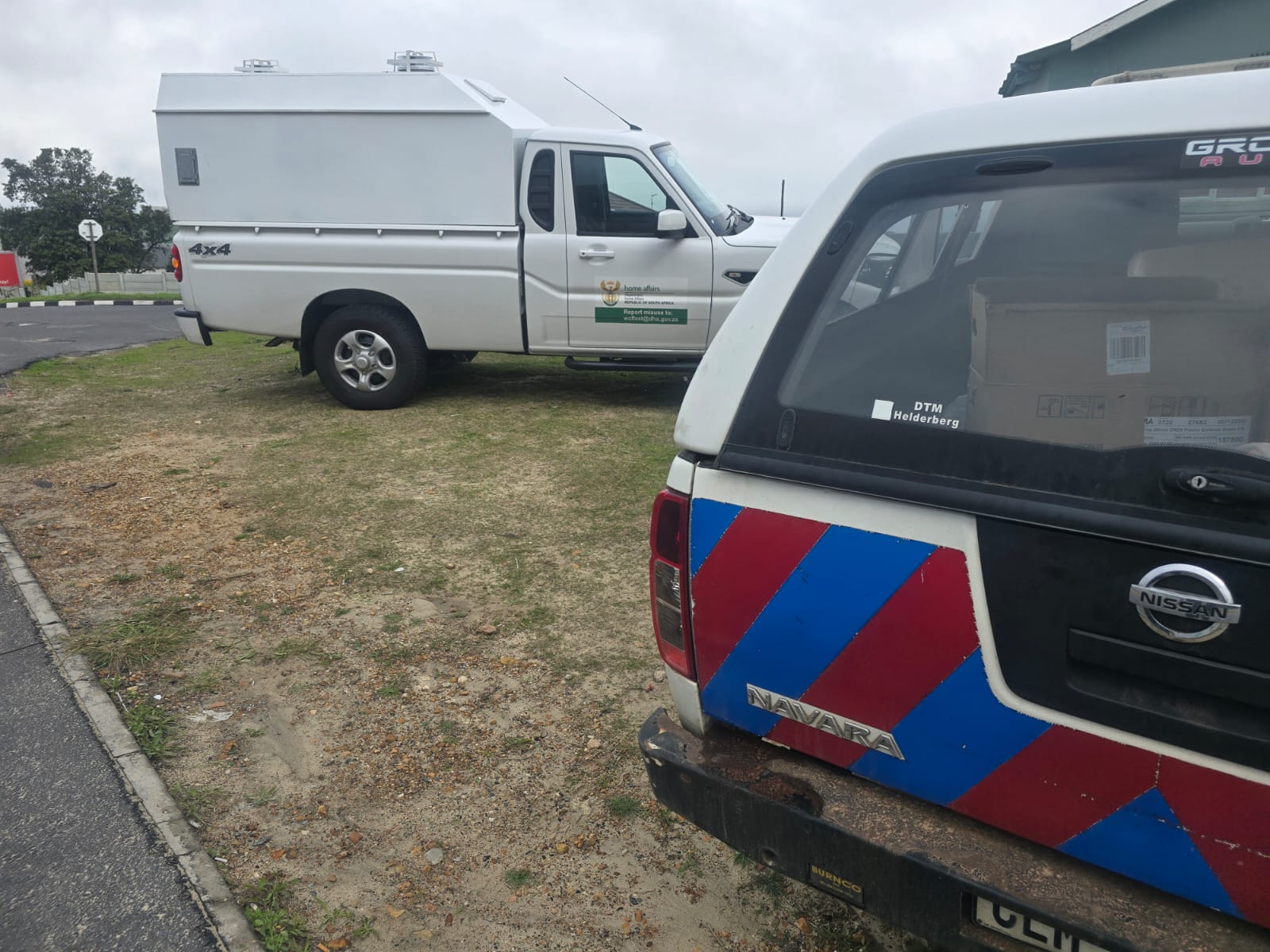
Following this morning’s Integrated Command Centre (ICC) briefing, authorities indicated approximately 90% of the foreign nationals currently housed in temporary facilities in Gansbaai, Stanford and Kleinmond are undocumented.
We anticipate a challenging month ahead as South Africans demand the deportation of undocumented foreign nationals in the country, giving them a deadline of 30 June to leave the country.
Law enforcement has been notified of potential community mobilisations in Zwelihle starting tonight. Colonel Gustav Tamboer of the Hermanus Police Station is currently in communication with organisers to clarify march routes and timeframes and is actively working to prevent disruptions in Hermanus tomorrow. This is expected to be followed by a march in Pearly Beach on Saturday. Operation Dudula is also planning marches on 17 and 18 June.
Immigration Act
With local homeowners in Hermanus asking what options are available for their foreign national workers should they be forced to leave their homes over the weekend, Municipal Manager Dr Dean O’Neill issued a firm reminder to all households and businesses regarding the legal consequences of employing undocumented foreign nationals.
Under Section 38 of the Immigration Act, it is illegal to employ an undocumented foreigner or anyone whose immigration status does not permit employment. Employers have a legal duty to make a good-faith effort to verify the citizenship or immigration status of all employees.
In terms of Section 49(3) of the Act, anyone who knowingly employs an undocumented foreign national commits an offence and may face a fine or imprisonment of up to one year for a first offence. It is expected that the Department of Home Affairs will follow up with the employers of any undocumented foreigners, following the management of the current situation.
Logistical Challenges
While the number of displaced persons being accommodated at the facilities fluctuates, it remains relatively stable. Emergency and health services continue to monitor sanitation and living conditions. EMS arranged mobile clinic visits today to distribute chronic medication to individuals who left their homes without their belongings.
Among those receiving accommodation, a pregnant woman from the Kleinmond facility was transported to hospital yesterday, where she gave birth.
Language barriers across various languages and dialects continue to present challenges, particularly when explaining available options to undocumented foreign nationals.
The current group of displaced individuals consists primarily of Malawian and Mozambican nationals. However, concerns are rising that future unrest could affect nationals from Zimbabwe, Bangladesh and Somalia in a ‘second wave’ as they have not made use of facilities.
Local authorities expressed concern over the limited involvement of foreign governments and embassies in assisting with the repatriation of their citizens. The process remains costly, as undocumented foreign nationals must be escorted to the Zimbabwean and Mozambican borders, while repatriation to Malawi involves significantly higher transport and logistical costs.
Joint Enforcement
The ICC welcomed the Head of Immigration and Law Enforcement for the South African Department of Home Affairs (DHA) and Deputy Assistant Commissioner for Operations at the Border Management Authority, Stephen van Neel.
Mr Van Neel said the current situation is being used by various groups to advance political agendas ahead of the November elections. He stressed that non-compliance with immigration laws cannot be tolerated.
He noted that there are only approximately 600 immigration officers deployed across the country and that enforcement operations therefore depend heavily on cooperation between law enforcement agencies and other government structures.
The Government’s position remains clear: individuals who are in South Africa illegally are required to leave the country or be repatriated through the appropriate legal processes