

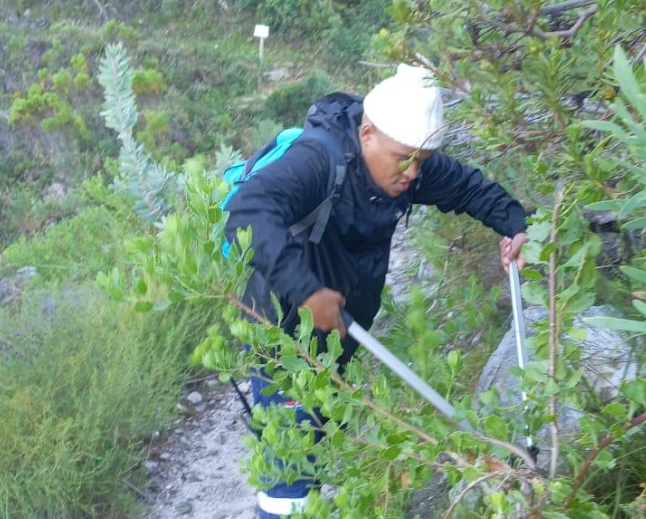
The Overstrand Municipality invites all community members to comment on the Draft Policy for Maintaining Fire-Wise Vacant Erven. This policy establishes the minimum standards and guidelines required to manage and control fire risks caused by overgrown vacant erven in residential areas and along urban edges.
Core Purpose and Objectives
The primary goal of this policy is to reduce the risk of fires starting and spreading from vacant erven. It applies to both municipal and privately owned land. The focus is on keeping land safe and preventing dangerous build-up of dry and combustible vegetation.
The policy also:
- Requires steps to reduce fire hazards from overgrown vegetation on vacant erven
- Gives effect to key laws such as the Constitution, the Fire Brigade Services Act, and the National Veld and Forest Fire Act
- Sets clear responsibilities for landowners and the Municipality
- Allows for the protection of biodiversity, but only where it does not increase fire risk, based on site-specific checks
- Ensures all vacant land meets minimum fire safety standards, whether vegetation is alien or indigenous
Minimum Fire Safety Standards
To ensure fire safety and responsible land management, the policy sets the following minimum maintenance standards for all erven:
- Vegetation Height: Grass and indigenous groundcover must be maintained at a maximum height of 500mm (0.5m).
- Tree Maintenance: The area beneath tree canopies must be cleared to a height of 1.5m, with all deadwood and combustible accumulation removed.
- Invasive Species: All invasive alien plants (IAP) must be eradicated. Stumps must be treated with approved herbicides to prevent regrowth.
- Fire Breaks: A minimum 2-metre fire break is required on urban perimeters. Properties adjacent to thatched roof structures require a minimum 10-metre fire break at all times.
- Protected Species: Special provisions apply to protected species such as Milkwood trees. Pruning is limited to 25% of the canopy (up to 1.5m from ground level). Topping for view enhancement is strictly prohibited.
- Environmental Protection: Clearing must not result in soil erosion, land destabilisation, or obstruction of natural drainage systems.
- Waste Management: All cut vegetation must be removed from the property or disposed of at approved municipal facilities within prescribed timeframes. No accumulation or dumping on site or adjacent land is permitted.
- Ongoing Maintenance: Landowners are required to maintain erven in a continuous state of compliance, not as a once-off seasonal activity.
- High-Risk Areas: Enhanced standards apply in identified fire-risk zones and environmentally sensitive interfaces.
Responsibilities and Enforcement
Landowners are legally required to maintain their properties in a condition that does not pose a fire hazard.
- Inspections: Authorised municipal fire officials may enter properties to conduct inspections and issue 14-day compliance notices.
- Compliance Process: Non-compliance may result in follow-up notices and municipal intervention where necessary.
- Municipal Intervention: Where landowners fail to comply, the Municipality may appoint contractors to clear the property in accordance with prescribed standards.
- Cost Recovery: All costs, including contractor fees and administrative charges, will be recovered from the landowner and billed to the municipal account.
- Methods: Manual clearing methods are required in sensitive or protected areas. Heavy machinery that disturbs soil structure, such as bulldozers, is not permitted in such areas.
How to Comment
Copies of the draft policy are available for inspection at all public libraries within the municipality and on the official website: www.overstrand.gov.za > Documents open for public comment or Draft Policy.
- Closing Date: 13 June 2026
- Submit Comments To: Chief Lester Smith at lestersmith@overstrand.gov.za